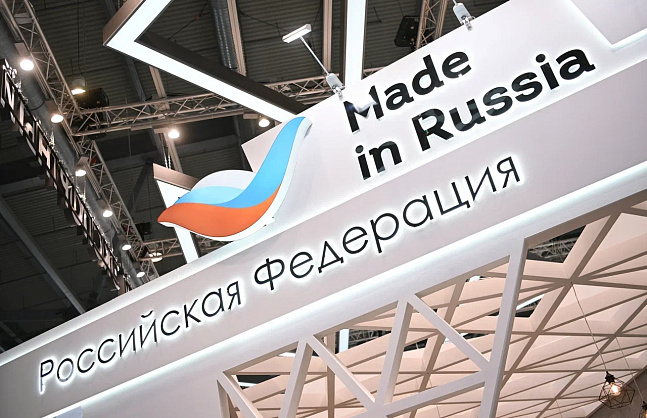
Products from Crimean producers of pulses, vegetable oils, and confectionery may soon appear on Egyptian store shelves. Prospects for food export from Crimea to Egypt were discussed at the Russian National Pavilion in Cairo.
A leading specialist from the Crimean Export Support Center visited the pavilion. The pavilion operator explained the specifics of doing business in Egypt, including key product certification requirements—a prerequisite for successfully promoting goods on the local market. Egypt imposes strict documentation requirements for imported products, including certificates of origin, quality standards, and sanitary and hygienic certificates. The pavilion operator explained in detail the registration process and emphasized the importance of preparing the necessary documents in advance to minimize risks during customs clearance.
According to preliminary estimates, the greatest potential for the Egyptian direction lies with producers of grain legumes, vegetable oils, as well as confectionery factories and other food industry enterprises.
Egypt's interest in Crimea is no coincidence. In 2025, Crimean farmers exported 400,000 tons of grain. Key buyers included Egypt, Libya, Algeria, and other countries in North Africa and the Middle East. In 2026, the republic's authorities intend to increase this figure to 0.5 million tons and also expand into foreign markets with oilseeds. According to preliminary data, Crimean sunflower and flaxseed exports will reach 25,000 tons by the end of this year. Crimea's food industry is also showing growth. According to the Bank of Russia, food shipments from the region increased by 15% in the first quarter of 2025 compared to the same period last year.
The Russian National Pavilion in Cairo serves as a comprehensive platform for exporter support. Currently, the pavilion development program is successfully underway in China, Türkiye, the UAE, Saudi Arabia, Vietnam, Egypt, India, and Jordan.
Russian Export Center (REC, VEB.RF Group) is a government institution that supports non-resource, non-energy export. It provides companies from various industries with both financial and non-financial assistance at all stages of entering international markets, including as part of the International Cooperation and Export national project. Most services offered by the REC Group are available online on My Export digital platform. REC is responsible for the primary functions of supporting and implementing the Made in Russia program. The REC Group includes the Russian Agency for Export Credit and Investment Insurance (EXIAR), EXIMBANK of RUSSIA, and the Export School.

В своем выступлении Мария Архипова подчеркнула важность национального бренда для укрепления
позиций российских предпринимателей на международной арене. «Наша главная задача — создать
условия, при которых продукция под брендом “Сделано в России” будет вызывать безусловное
доверие у зарубежных покупателей», — отметила она.
Show
 +7 495 967 07 57